Before dawn broke over the eastern ridge, the vineyard was already alive with the soft shuffle of boots through dew-heavy grass. The 2025 harvest was not the largest we've seen — but it may well be the most honest vintage this estate has ever produced. Here is the story of that morning, told from the picking baskets to the press.
It began with a decision made three days earlier, in the half-light of the cellar office. Our head vintner, Matteo, had walked the rows at dusk and come back carrying a single cluster of Cabernet Sauvignon. He placed it on the oak table and said simply, "Domani." Tomorrow. The sugars were perfect, the skins thick and yielding, the seeds nut-brown and crackling between his fingers. There was no shouting, no dramatic proclamation — just the quiet certainty that the moment had arrived.
The Picking Hour
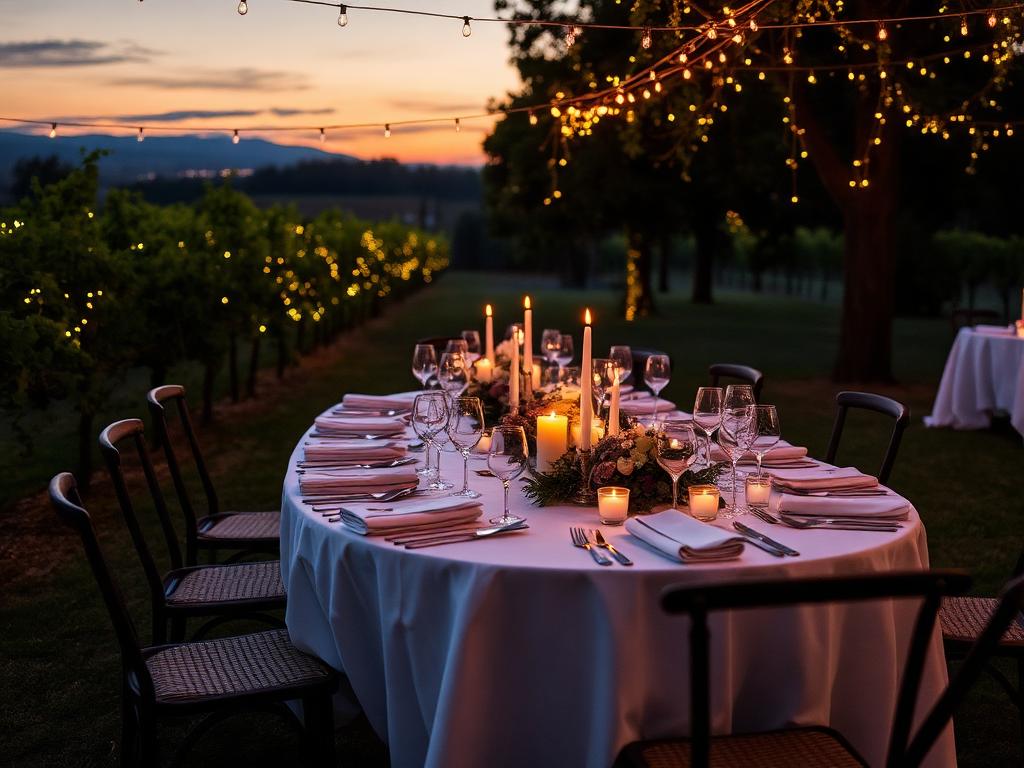
By 4:45 a.m., the picking crew had gathered in the courtyard. Lanterns hung from the pergola, and the air smelled of damp earth and ripe fruit. Elena (that's me) poured small cups of strong espresso while Matteo assigned rows. There's a rhythm to a hand-harvest that no machine can replicate — a gentle twist of the wrist, the snip of shears, the soft thud of clusters falling into shallow bins. We picked until the sun cleared the cypress line, then paused to taste grapes straight from the vine. That first bite of the morning is a ritual: it tells you everything about what the wine will become.
"Great wine isn't made in the cellar. It's made in the vineyard, in the silence before sunrise, when every decision is a whisper between the land and the winemaker." — Matteo Conti, Head Vintner
The fruit came in cool, the bins weighing between 12 and 14 kilograms each. We sorted by hand beneath the old stone archway, discarding any berry that didn't meet the estate's standard. That meticulousness is what separates a good vintage from a memorable one. By mid-morning, the first press was running, and the cellar filled with that unmistakable aroma of crushed Cabernet — cassis, violets, and a hint of graphite.
Into the Cellar
The transformation from grape to must is violent and beautiful. In the fermentation hall, the air is thick with carbon dioxide and the hum of temperature-controlled tanks. We ferment in small lots — some in stainless, some in open-top oak fermenters — to preserve the individual character of each parcel. The 2025 Cabernet showed extraordinary color from the very first pump-over, an inky purple that stained the glass.
The Quiet Science of Extraction
Over the following two weeks, we managed extraction with a light hand. Twice-daily pump-overs, never aggressive; the goal was to capture the fruit's elegance, not its brute force. Tannins arrived silky and fine, promising a wine that would age beautifully but be approachable in its youth. It's a balance we've been chasing for three generations.
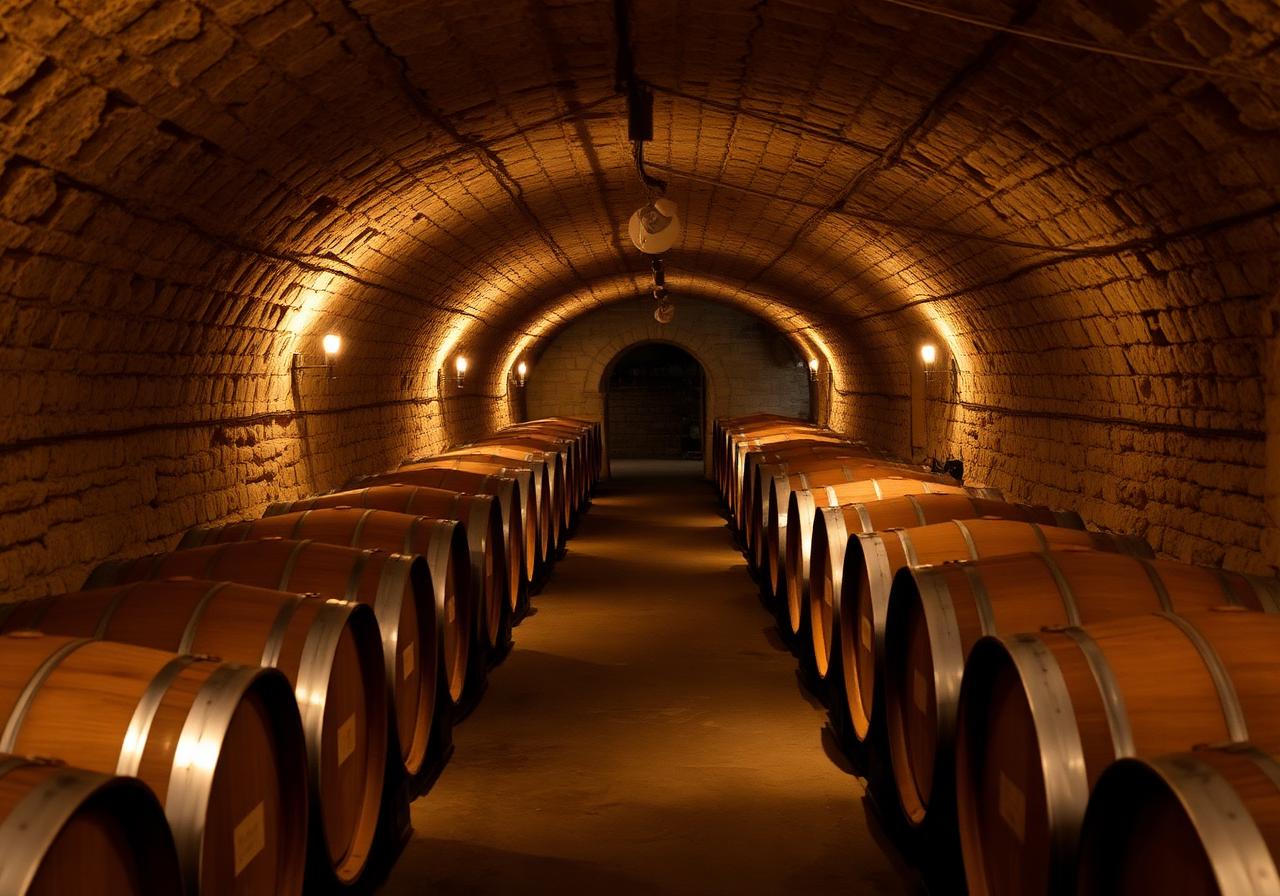
After pressing, the wine went to barrel — 40% new French oak, the rest neutral barrique and a single 500L puncheon for the top selection. The cellar now smells of vanilla, toast, and dark berries. We'll let it rest for eighteen months before even considering a blend. Patience, as always, is the secret ingredient.
A Season Remembered
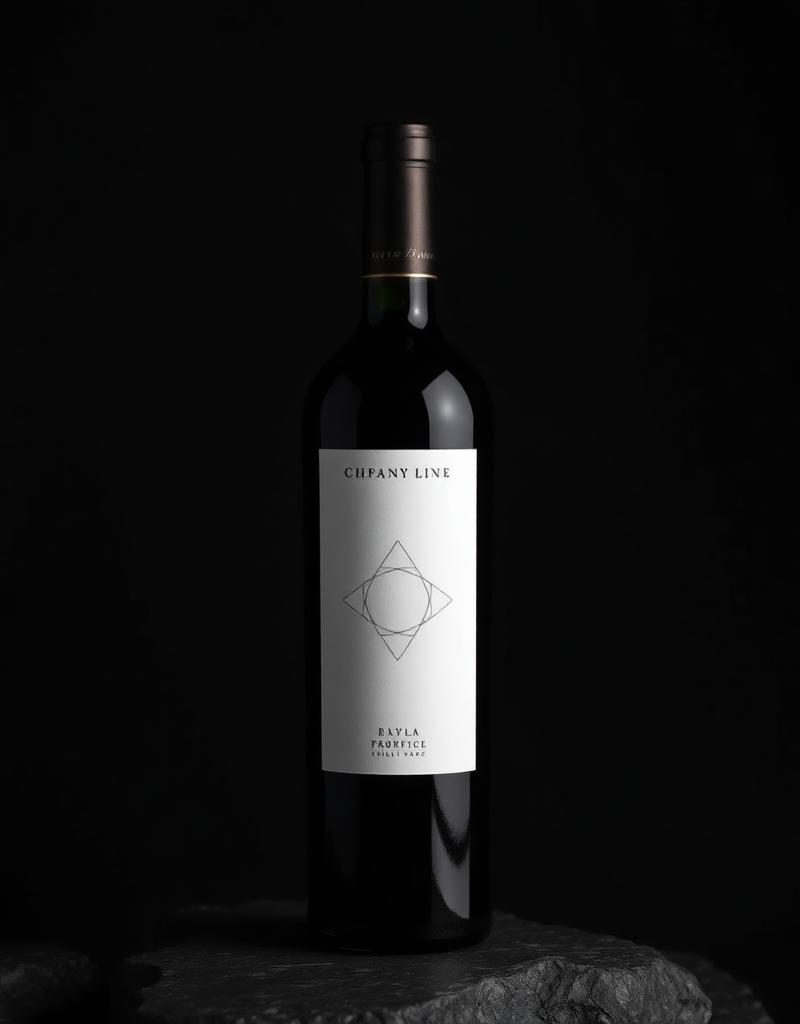
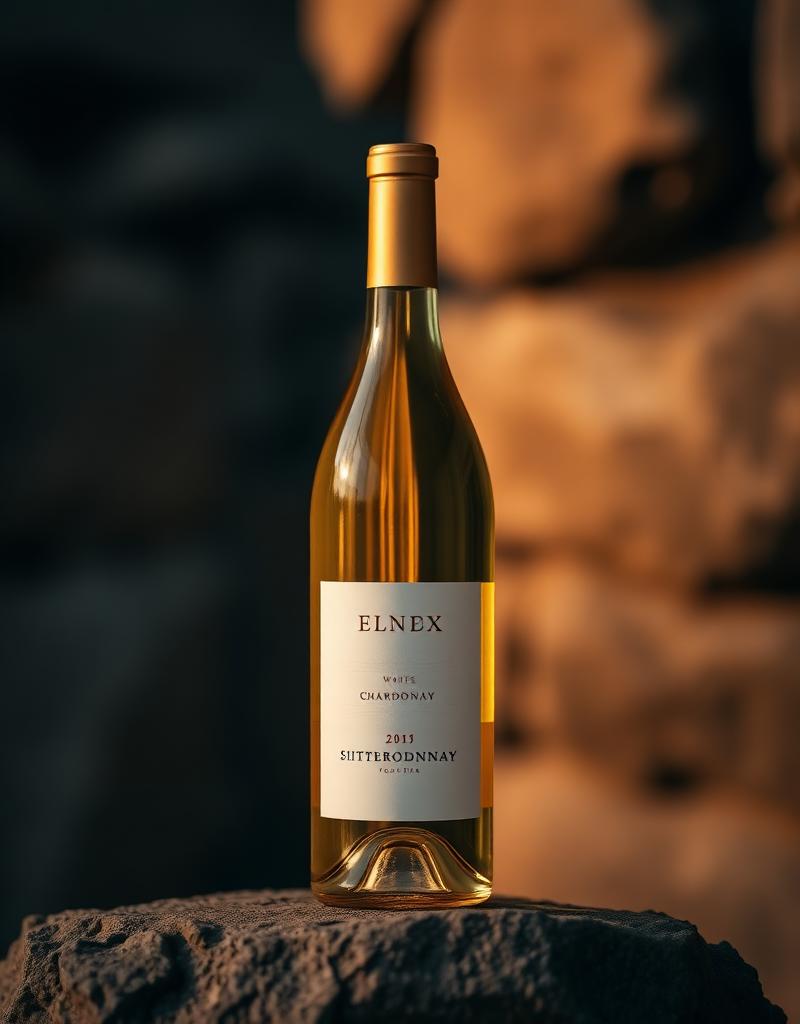
When you open a bottle of VinoEstate, you are not merely drinking fermented grape juice. You are tasting a season — the cool nights of August, the warm September afternoons, the fog that rolled in on the morning of October 2nd and delayed picking by two hours. Every vintage writes its own diary, and we are merely its editors.
The 2025 harvest was small. It was quiet. It was perfect. And in a few years, when the first bottles are uncorked, I hope you'll taste what we tasted that morning: gold, hidden in the ordinary, waiting to be discovered.